
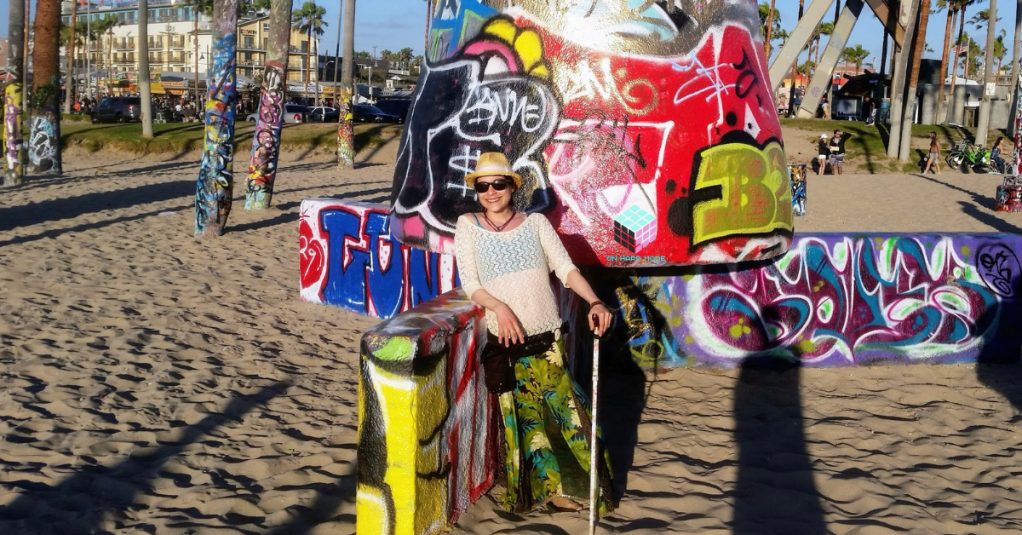
Dynamic disabilities are confusing. It means that some days I’m functional and some days I’m not, and some days I’m somewhere in between. Sometimes I need my cane, and sometimes I don’t. Sometimes, I’m fully independent, and other times I’m bedridden and need help with basic executive functions, like self-care and food prep. Like right now, for example. I’m dealing with an intense amount of inflammation from ulcerative colitis, which is causing a domino effect throughout my body and aggravating some of my other conditions, including fibromyalgia, chronic fatigue, and chronic pain.
I’m sleeping an average of 14 hours a day, brain fog has reduced me to struggling with basic cognitive functions, like writing coherent sentences or remembering what day it is, and I’m spending far more time than I’d care to admit in the bathroom. This is on top of a recently developing flare in my Sjogren’s, which always kicks up during the transition from summer to fall, because barometric pressure I guess? Oh yeah, and I’m also recovering from a hairline fracture in my foot, thanks to osteopenia/osteoarthritis caused by the Sjogren’s attacking my reproductive system. Fun times.
LIVING AN UNPREDICTABLE LIFE
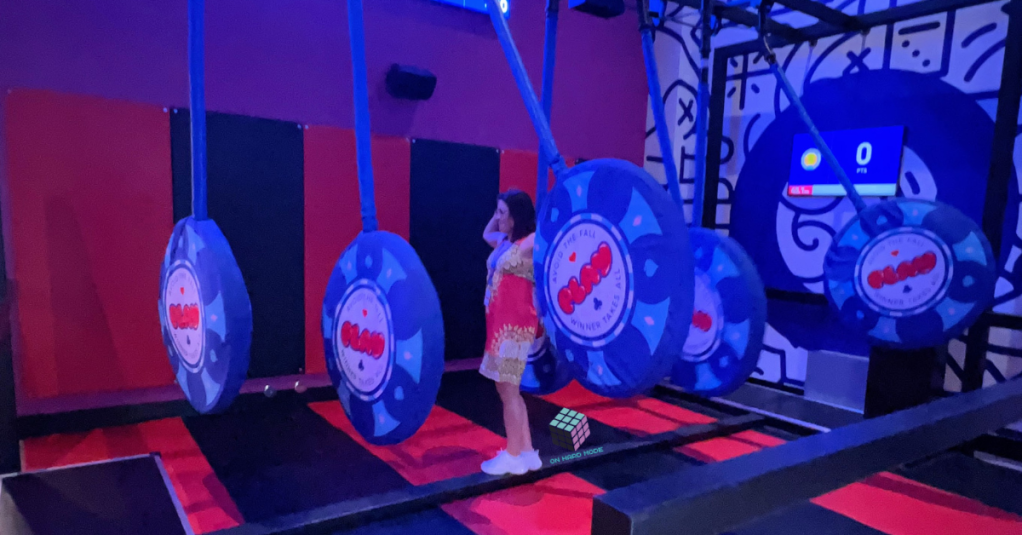
Unlike static or continuous disabilities, such as amputation or blindness, dynamic disabilities fluctuate in severity and/or impact over time. Arthritis, autoimmune diseases, depression, traumatic brain injuries, migraines, and diabetes are all examples of dynamic disabilities. These conditions also vary from person to person, which means some patients have very mild symptoms, while others experience completely debilitating or even life-threatening ones. Unfortunately, this can make these ailments even more difficult to understand.
Perhaps the most frustrating part of being dynamically disabled is its level of unpredictability. When you’re unsure what your capability level will be from moment to moment, it can make it really hard to work a regular job, be spontaneous, travel, or even make seemingly simple plans. For a social butterfly who thrives off spontaneity and started working at fifteen, this can be a pretty tough pill to swallow. It’s kind of like being in COVID lockdown, but on and off throughout your whole life. Ironically, this made lockdown relatively easy for me when it happened!
HIDDEN IN PLAIN SIGHT
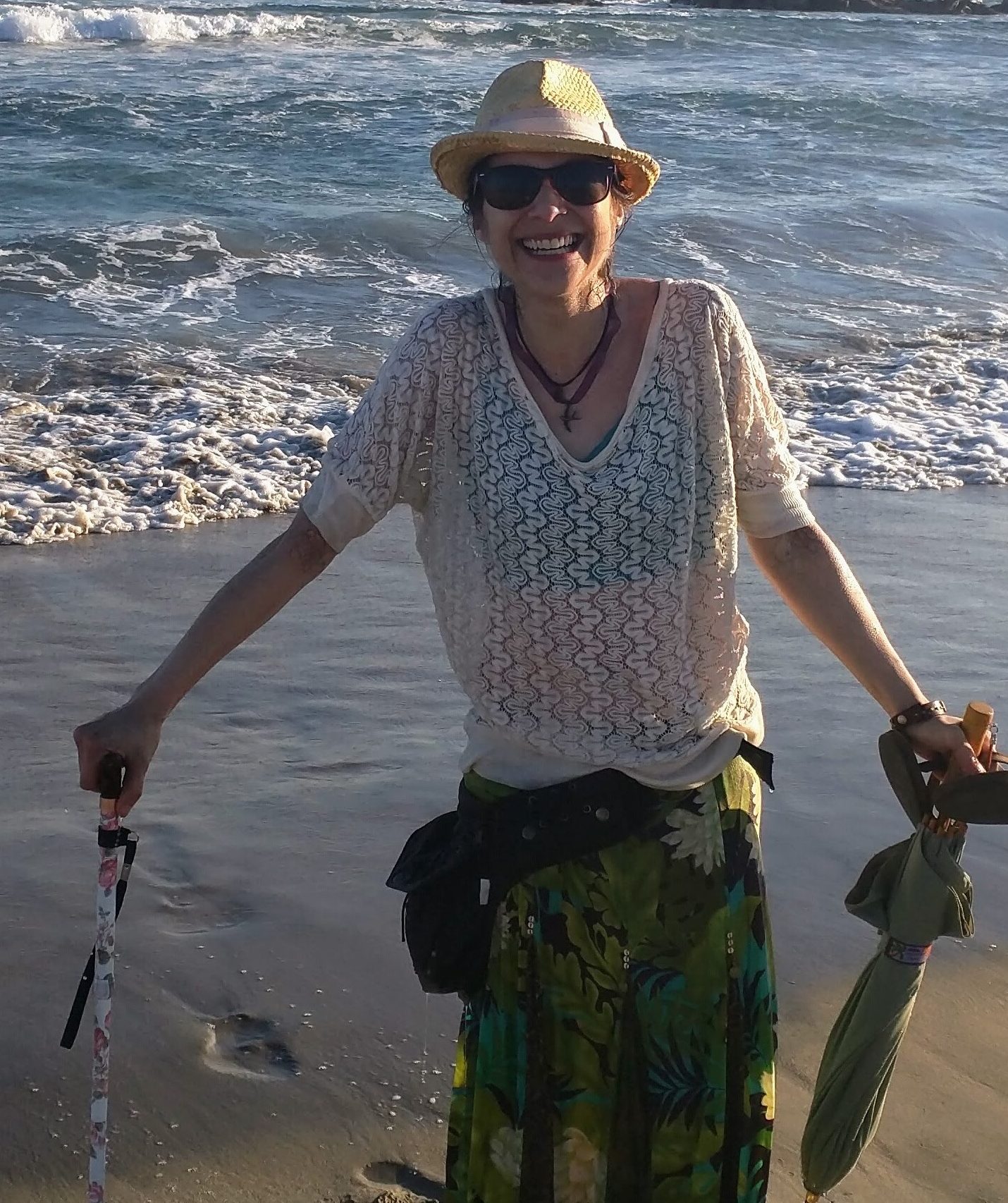
My conditions are also invisible. This combination of unpredictably and lacking obvious visual cues can make it very confusing for people who know me. When I’m well enough, I am a very social and active person. One day, I might be out having cocktails with friends or walking some nature trails, while the next I’m laid up in bed, hobbling around the house with a cane – if they even see me at all in such a state. When I’m that sick, I don’t leave the house, and I’m certainly not sharing selfies.
As a result, there are some acquaintances who have only ever seen me casually at social events, and had no idea I had any health issues until it was brought up for whatever reason. Even close friends who’ve known me for years have been confused by the perpetually uncertain state of my health, and I’m sad to say I’ve actually lost relationships because of it. Assumptions were made that I was lacking the will or mental fortitude to overcome my situation, or that I was being a drama queen and exaggerating. They were unable to understand what I was going through, or I wasn’t able to properly communicate my experience, or both. So, to help clear the air (hopefully), I’d like to share my perspective of what it means to be dynamically disabled.
PAYING THE PRICE

Sometimes I can make plans or work outside the home for short stints of time. But these periods require ungodly amounts of planning and preparation, along with Lady Luck keeping my symptoms at bay. And I always have a severe burnout period after that usually results in a flare. The longer/more intense the event, the more I’ll pay for it afterwards.
The positive impact of the experience almost always outweighs the price I’ll pay for participating in it, but it’s a reality I have to face, as well as calculate and prepare for. Even basic things like running errands, going to doctors appointments, or lengthy phone calls have to be planned out ahead of time, so I can make sure I have energy for them. As a result, I try to schedule all commitments and events with enough time in between for me to recover from one to the next.
LEARNING TO READ THE TIDES

There are times when I can make an educated guess as to how I may be feeling. If I’m not in a flare, and I’ve been feeling pretty good, I’m likely to be more active and outgoing. Planning is a safer thing to do during these precious times. On the other hand, if the weather or seasons are fluctuating, then I know I’m less likely to be feeling well and try to minimize obligations during these times.
I also know that I can manage my health to a certain degree by the choices I make. I know there are certain foods that will definitely make things worse, which exercises help and which ones exacerbate my symptoms, to pace myself and take breaks before I get tired (which I’m pretty good about doing most of the time), self-care routines that fuel my mind, body, and spirit…This is how I’m able to plan and survive big events, like I did during the wonderful amazing weekend my husband and I celebrated our wedding…
GO WITH THE FLOW
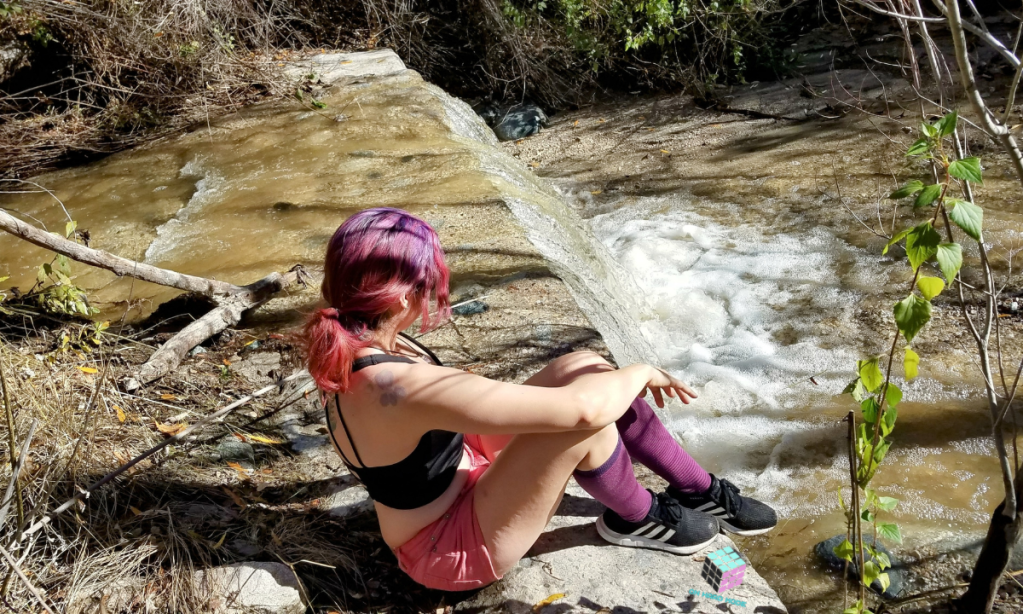
But, regardless of how carefully I plan, or how conscious I am of my lifestyle choices, I am ultimately at the mercy of the same unpredictable forces that cause the winds to blow and the tides to ebb. I have no control over my conditions. Just one week after I got married, I had a massive flare in my Sjogren’s, which caused a mouth sore outbreak that would have rendered me completely unphotogenic had it happened only several days prior. Despite all my meticulous arrangements, at the end of the day, I got very, very lucky things worked out the way my husband and I planned. I’ve missed out on countless other plans, dreams, and opportunities because of my lifelong health issues.
My immune system will do what it’s going to do, and it seems hell-bent on destroying the very body it’s supposed to protect, no matter what I do or say about it. I’ve got an excellent medical team looking after me. I’m being a good patient and taking all my meds and taking care of myself to the best of my ability. That’s all I can really do. It’s not a matter of will-power or “thinking yourself well” – as another person living “on hard mode” so brilliantly put it, can you recharge a broken cell phone with will-power? No, you’ve got to have the right devices that work properly, and if you’ve got a busted device or power source no amount of self-talk or caffeine will get it back up. You just have to leave it alone and give it the time and space it needs to recharge, however long that is.
WHAT DYNAMIC DISABILITY MEANS TO ME

Learning to accept this part of myself and the label of being “dynamically disabled” does not make me weak or mean I’m giving up on myself. Nor does it mean I am comparing my situation to someone with a more limiting disability, like a blind or paralyzed person. It means that I’m embracing and in-tune with all aspects of myself, including my limitations, in a healthy and realistic way. Because I am limited. I am not the same person I was before 2011 — that fateful year my Fibromyalgia first reared its ugly head. I had to retire prematurely from working on cars at the peak of my career. It’s what I went to school for and what I love to do the most for a living. And I miss it dearly everyday.
Eventually, I had to stop working outside the home entirely, and even remote work has to be on a part-time basis. I can’t go camping like I used to, or even hike very much. I had to give up sunbathing and now avoid the sun altogether because of a sun sensitivity. I struggle to go on trips or run errands by myself because of the endless struggles with my energy levels and brain fog. Writing takes far longer than it should because so much of my time is eaten up by chronic fatigue and symptom management. The list of things I am limited in doing because of my health goes on and on, and new issues seem to pop up each day as these many conditions of mine progress and compound one another.
ACCEPTANCE EQUALS EMPOWERMENT
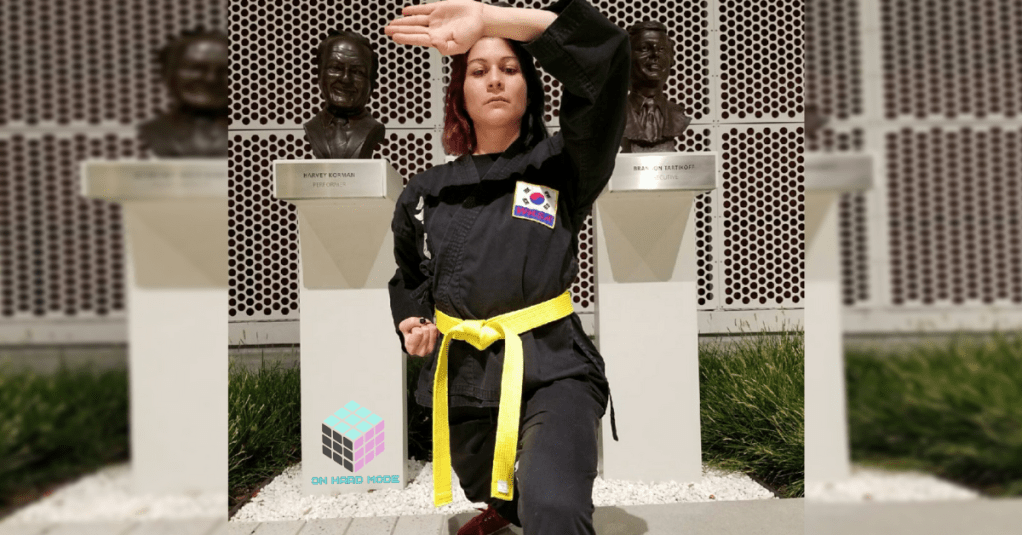
So yes, I am disabled. It’s taken me many years to accept that fact, and I still struggle with it sometimes. But I’ve done a ton of work over the years to process the many levels of grief that come with chronic conditions, and I can happily say I’ve finally reached a stage of acceptance. I’ve learned that being chronically ill does not mean my life is over. I can still do things, I just have to do them differently. And with a lot more planning. Acceptance may oscillate along with my symptoms, but whenever I get knocked down I can always get back up when I’m ready. And that’s what my mental health team is for.
Acceptance has also helped me learn how to truly care for myself. Recognizing my limitations allows me to set myself up for success. Denial, on the other hand, only pushes me past my healthy limits and causes a viscous cycle of flare-ups and burnout. Acceptance allows me to meet myself on my terms, and set myself up for success by giving myself the space, tools, and aids I need, when I need them, to help me live my best life, no matter what I may be dealing with at that moment.
It’s like being an outdoorsman. Packing survival gear and emergency supplies doesn’t make you a pessimist or weak. It makes you practical. Prepared. Wise.
Acceptance is my survival gear.
Acceptance means empowerment, not apathy.
Speaking of, I think I’m going to have to lay back down. I’m so sick right now that just existing is exhausting. So even simple tasks like writing or critical thinking are absurdly taxing. But, I’m proud of myself for doing it and giving it my best.
And that’s all we can do, really, is just do the best we can with what we’ve got.
Even if that changes from day to day and moment to moment.
Thanks for reading! How do you set yourself up for success in your own dynamically disabled life?
Until next time, keep on truckin’…
– Renata




 On Hard Mode
Leave a reply to Kim Cancel reply