
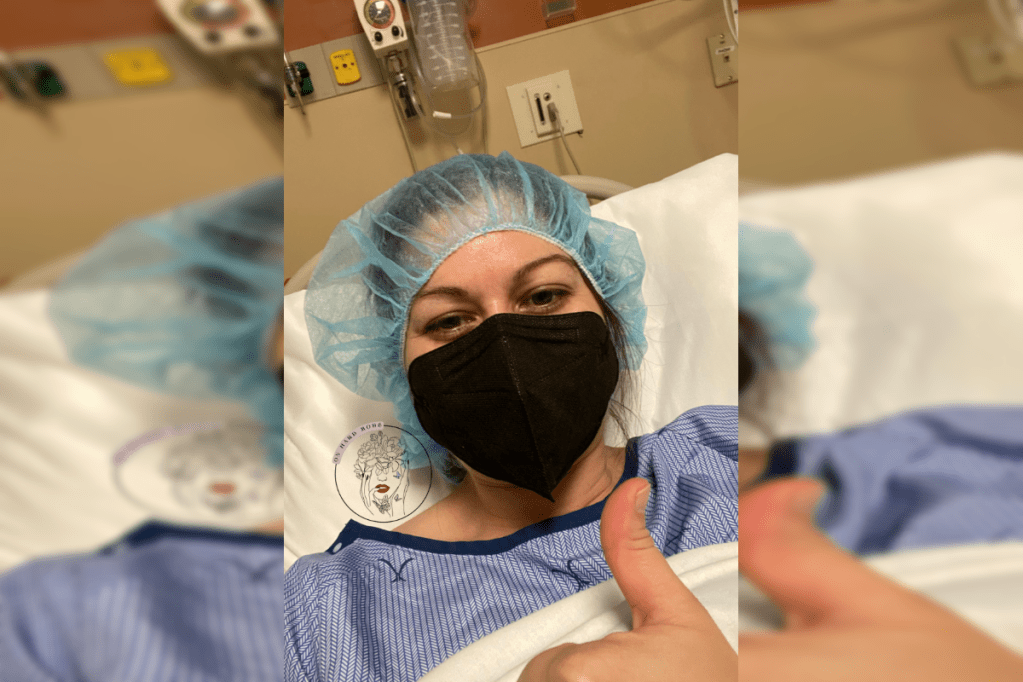
Living with chronic health conditions can be incredibly challenging. The day-to-day grind of managing countless symptoms and unendurable amounts of pain and discomfort is exhausting. This constant barrage of inputs and afflictions would push anyone to their breaking point; yet for us this endless torture is a daily reality we must learn how to navigate, like sailors mastering the tides. If all of humanity were characters in a video game, those with chronic illness and pain would be stuck on “hard mode,” while the healthier and more able-bodied are playing on “easy” – and they don’t even know it.
The symptoms and pain would be more than enough, but our suffering is exacerbated by the heavy weight of grief. We have so much to grieve over, so much that we have lost: Lost abilities, hobbies, activities, and careers, derailed plans, broken relationships and connections with society, our sense of independence and autonomy, even our sense of feeling confident as a person and/or sexually attractive.
NO END IN SIGHT
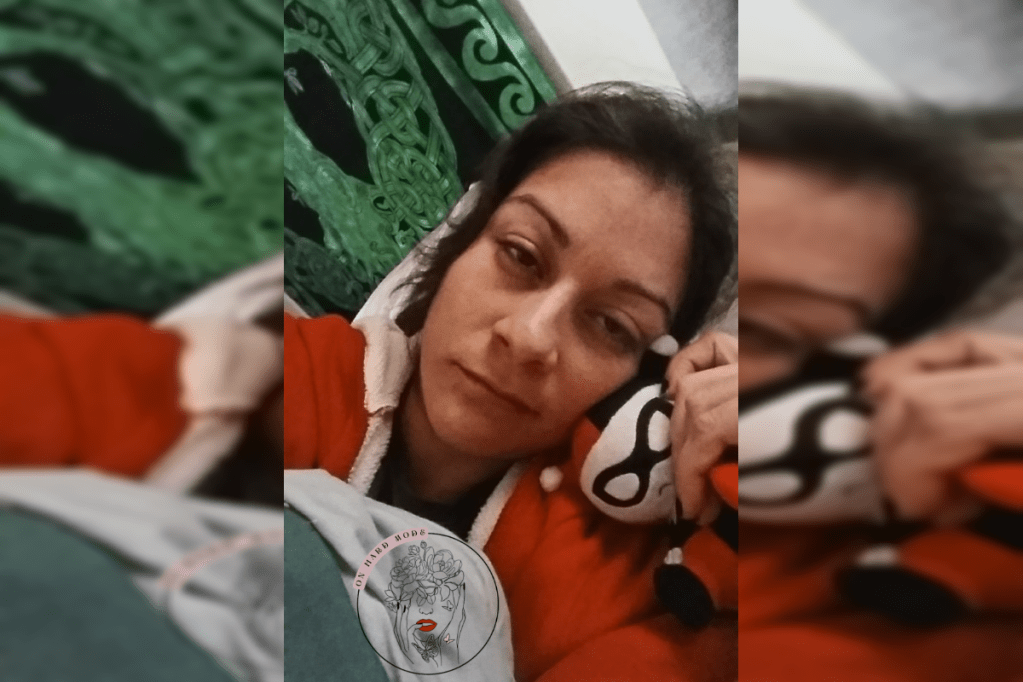
To further compound matters, we barely have space to grieve. Life doesn’t stop just because you’ve been derailed by some unforeseen outcome. We still have to keep up on bills and other responsibilities, and when we’re not managing that, we’re busy battling the many-headed hydra that is known as the American healthcare system. We accrue massive amounts of medical debt for appointments with numerous specialists that rarely result in any concrete outcomes or resolution, often conducted by doctors who misunderstand or gaslight us, or simply don’t have the time/resources to properly assess our complex cases. We have to fight tooth and nail simply to feel heard and receive accurate and timely diagnoses, if we get any at all.
How is it possible to cope with all this suffering, frustration, and loss, especially when there is no end in sight? When there is no cure for your condition or you’re stuck in Undiagnosed Limbo? This is one of the top questions I see asked in the chronic illness/pain community — and it is the primary motivation behind my decision to start this blog. I also have a strong desire to give back to the online communities who have helped me on my own journey, in whatever meager ways I can. Without your love, wisdom, and support, I don’t know how I would have maneuvered these murky and dangerous waters.
I’VE BEEN THERE
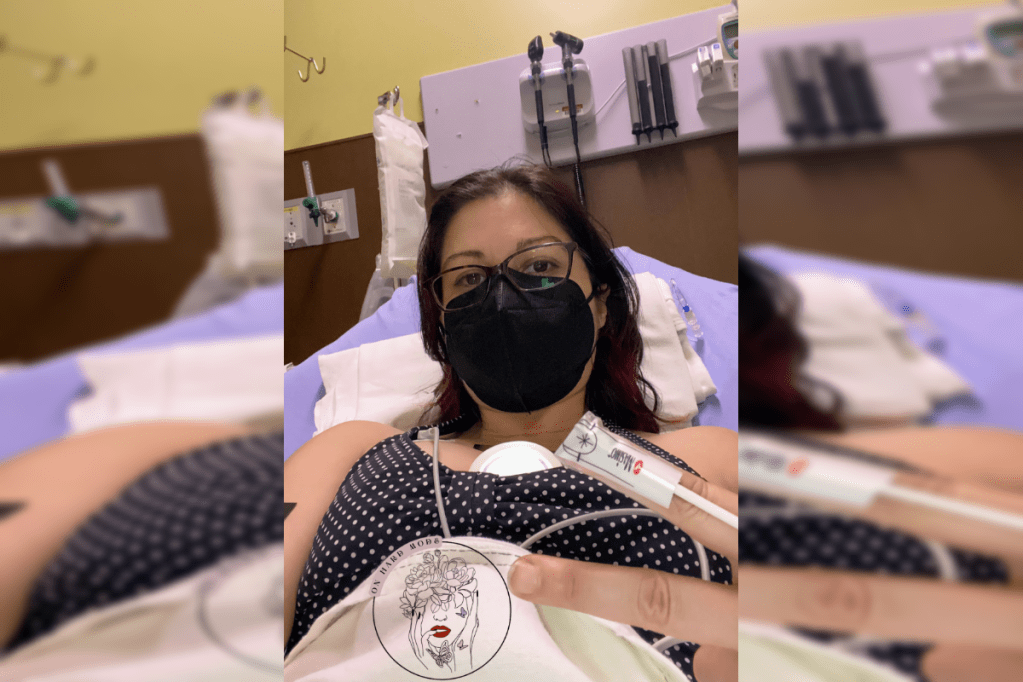
During my nearly four decades on this spinning space rock, I’ve been diagnosed with a host of acute and chronic health conditions, including: Sjogren’s Disease, Fibromyalgia, Wolff-Parkinson-White, Ulcerative Colitis, Primary Ovarian Insufficiency, Osteopenia, Osteoarthritis, hypermobility, PTSD, anxiety, depression, hypomania, neurodivergence, and countless allergies. Seriously – I should own stock in Benadryl.
Despite the numerous obstacles presented by these comorbid conditions, I’ve managed to maintain an overall positive mindset. Of course I have my bad days. We are only human after all. But I’ve learned how to approach life On Hard Mode with joy and zeal, and how to consciously manage the bad days when they do pop up. My primary methods are nothing fancy, complex, or new. They incorporate good old-fashioned psychology, mindfulness, and meditation. And before you start rolling your eyes, don’t worry, we aren’t going to get “woo-woo” or toxically positive on here. This blog will take a scientific approach to learning how the mind works, and how we think and feel, and how to harness that for our own personal empowerment.
CATCH TWENTY-TWO
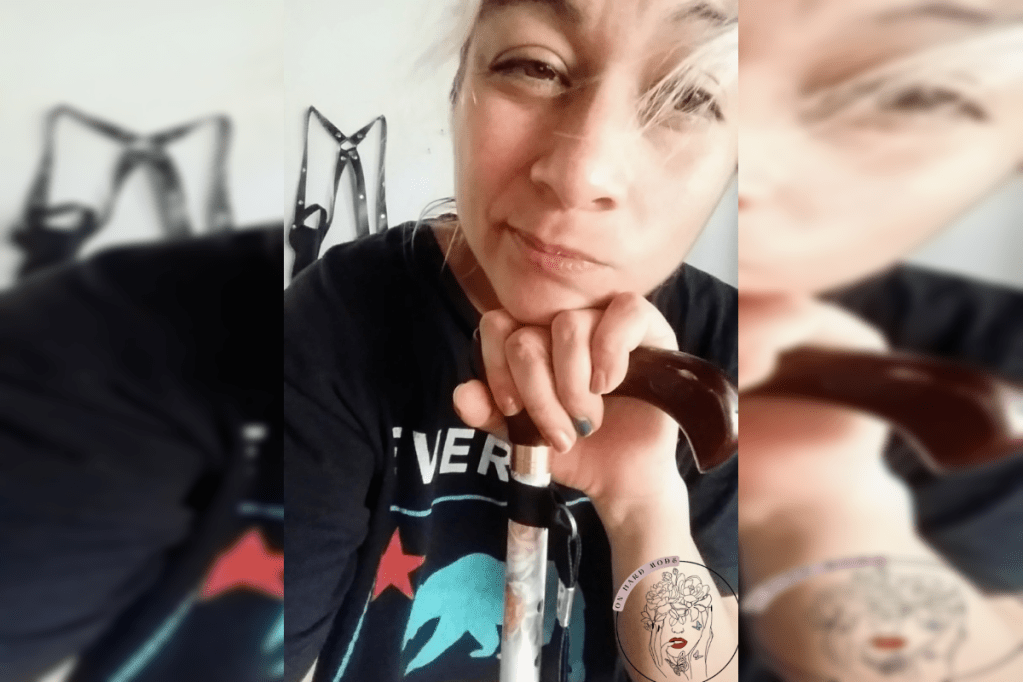
Another common issue I see the chronic illness community discussing is, “How do you exercise with chronic illness/pain/fatigue?” Chronic health conditions can make exercising seem like an impossibility. We know we are supposed to workout for our overall health and well-being. Our doctors tell us we need to exercise, and berate us when we need to lose or gain weight, but they don’t tell you how you’re supposed to actually do that when you live with disabling symptoms. For many of us, traditional forms of exercise cause too much pain, fatigue, and/or or send us into a flare. It can be an infuriating position to be in.
I’ve been there. Throughout the years, my health issues have caused me to be both over and underweight. I understand how monumental a task it can be to put together a fitness routine in the face of all our struggles. But through a ton of research, self-experimentation, and working with experts, I’ve successfully gained and lost weight when I needed to, and compiled a versatile fitness regimen that works for my set of health conditions.
SHARING IS CARING
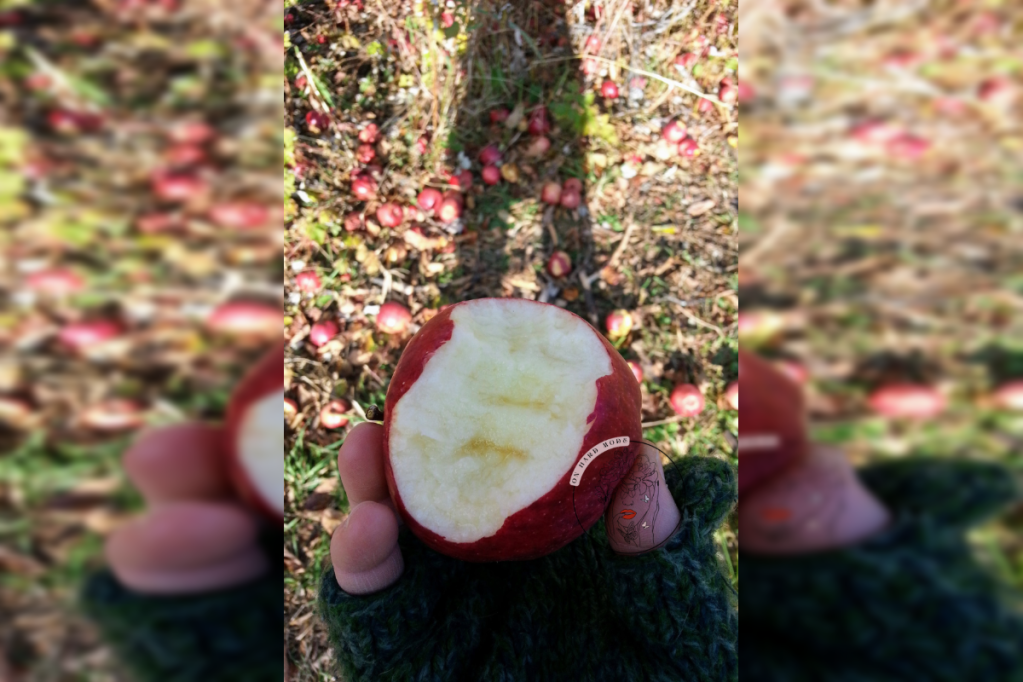
Sharing my fitness and nutrition-related journey is another reason why I decided to start this blog. Hopefully others in similar situations can learn from my experiences and find routines and programs that work for their own needs.
By re-assessing what we’re eating and how we’re moving, we can use both nutrition and exercise to not only reach a healthy weight, but to increase our overall energy and stamina/strength – rather than over-exertion that sends us into a flare-up of our symptoms. And when we are dealing with a flare, we can use these tools to help ease the pain, fatigue, and discomfort.
THE JOURNEY STARTS WITH A SINGLE STEP
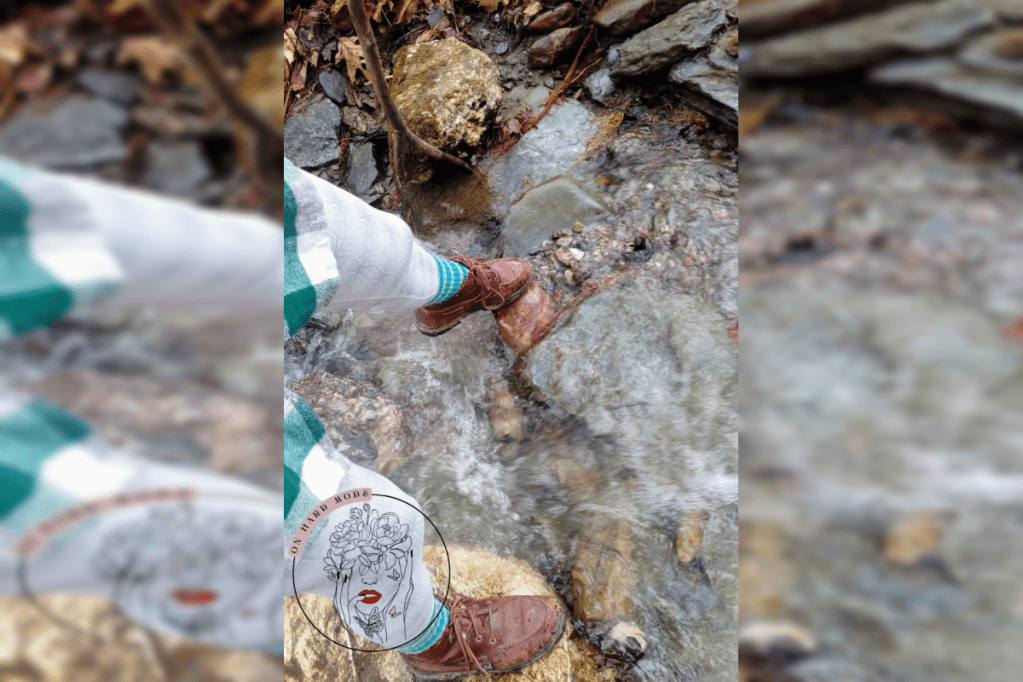
These are not quick fixes. Learning to care for the chronically ill body and mind are skills that must be consistently honed, and they take time to develop. But it can be done. I know from firsthand experience, and if I – an inherently self-loathing codependent who struggles with depression, anxiety, and body dysmorphia – can redevelop my relationship with my own chronically ill mind and body, then anyone can. And it’s well worth the effort.
Thankfully, although it takes discipline to learn how to approach life On Hard Mode in a joyful way, it is surprisingly simple once you start to analyze it, like the Gordian Knot. (I’m not trying to dismiss the struggle by saying it’s easy, because it’s not — but it is simple…)
WHAT TO EXPECT FROM THIS BLOG

Basically, I’ve broken down my approach to life On Hard Mode into the following steps:
Management of the Mind/heart/spirit:
- Learning to manage the multiple stages of grief.
- Focusing on intense self-care.
- Developing a meditation/mindfulness routine.
- Using these tools to create perspective adjustments.
Caring for the Body:
- Learning to think of exercise as “movement medicine” or “movement hygiene” instead of “working out.”
- Using food as medicine and nutrition.
- Focusing on intense self-care pre, mid, and post-movement.
- Allowing for flexibility in your routine so you can adjust to your current ability level.
The steps I listed above are all about helping to maintain inner resilience. That’s what it all boils down to when it comes to life with chronic conditions – learning how to foster an attitude of gratitude and joy, because that is what fuels resilience. And resilience is what’s needed for life in general, but especially for those stuck On Hard Mode.
Of course, these primary topics are vastly more complex and nuanced than they appear (otherwise we’d only need this one post and we’d be done!). So I will be breaking them down into many smaller subtopics, and that’s what this blog will be focusing on.
JOY – WHAT IS IT GOOD FOR?
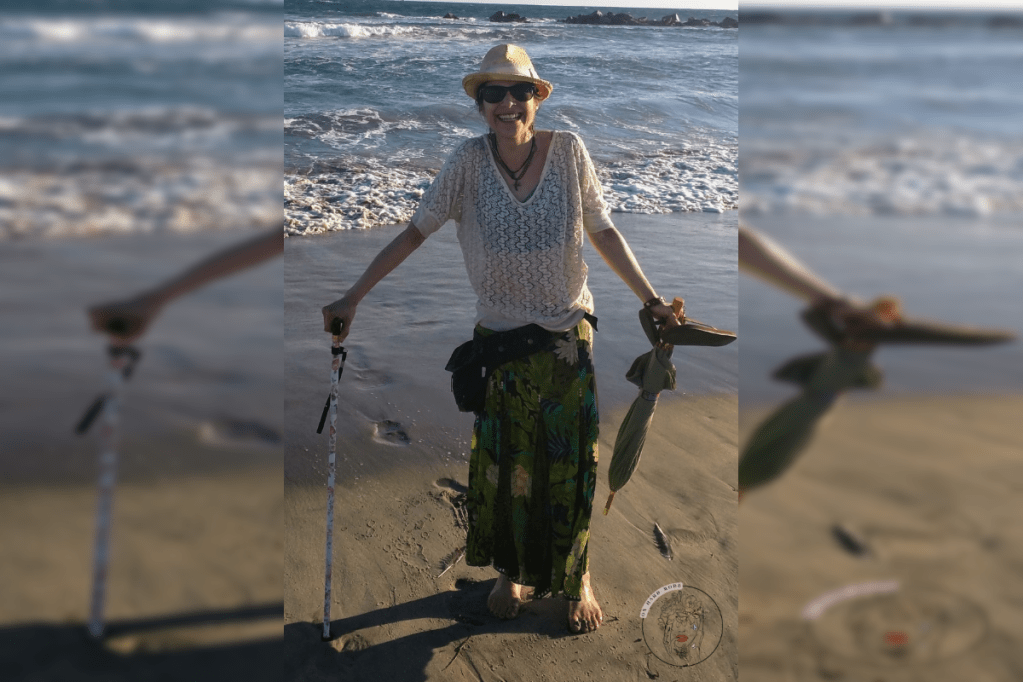
In case you haven’t noticed, I’ve used the word “joy” a handful of times in this post. As a writer, I am very particular about my chosen vocabulary, and I’d like to analyze that word a bit and explain why I gravitate towards it. “Joy” is defined by Merriam-Webster as both a noun and a verb, which means that joy is an emotion as well as an action or expression. Joy is something we feel and live. It is an energy that comes from within, regardless of external circumstances.
Everyday, I do my best to choose joy, despite whatever obstacles, pain, grief, symptoms, or disability I might be facing at that time. Realistically, I know that I cannot be in a state of joy all the time. That is just not feasible as a human with a frontal cortex, and learning how to manage the bad days is another practice we’ll examine together on this blog. But, what is realistic is knowing that no matter what happens, I can always work my way back to a place of joy. Science calls this “positive reframing” and “adaptive coping.” Whatever you choose to call it, anyone can return to this foundation of stasis and balance whenever it’s needed. It is a self-replenishing well-spring that never runs dry.
DOWN THE RABBIT HOLE WE GO

If you would like to learn how to tap into your own well, please join me on this journey of self-discovery. Along the way I will share personal tips and insights, reviews, recipes, original photography, ask questions and delve into research, and whatever else I feel like in that moment (because it’s my blog and I can do what I want, ha!). And hopefully we’ll share a laugh or two as well.
Please “take what you like and leave the rest.” Constructive criticism is always valued, but please bear in mind I am speaking from my own personal experiences and research, and will be focusing on the conditions with which I’ve been personally diagnosed. What works for me might not work for you. Also, I am not a doctor. Please consult your medical team before starting any new exercises, dietary changes, supplements, or making any other changes that could affect your health.
And if you feel so inclined, should you pick up something from this blog that benefits you in some way, please consider throwing a little change in my virtual tip jar. It sure would help this struggling dynamically disabled artist out, but of course is in no way expected. My material on this blog will always be free, and should I ever acquire any sponsors (Looking at you, Benadryl!) I will always be transparent in that regard.
The needs of this community will always be my primary priority.
Thanks for reading!
What relevant topics are you interested in seeing analyzed here?
Until next time, keep on truckin’…
– Renata Carmen


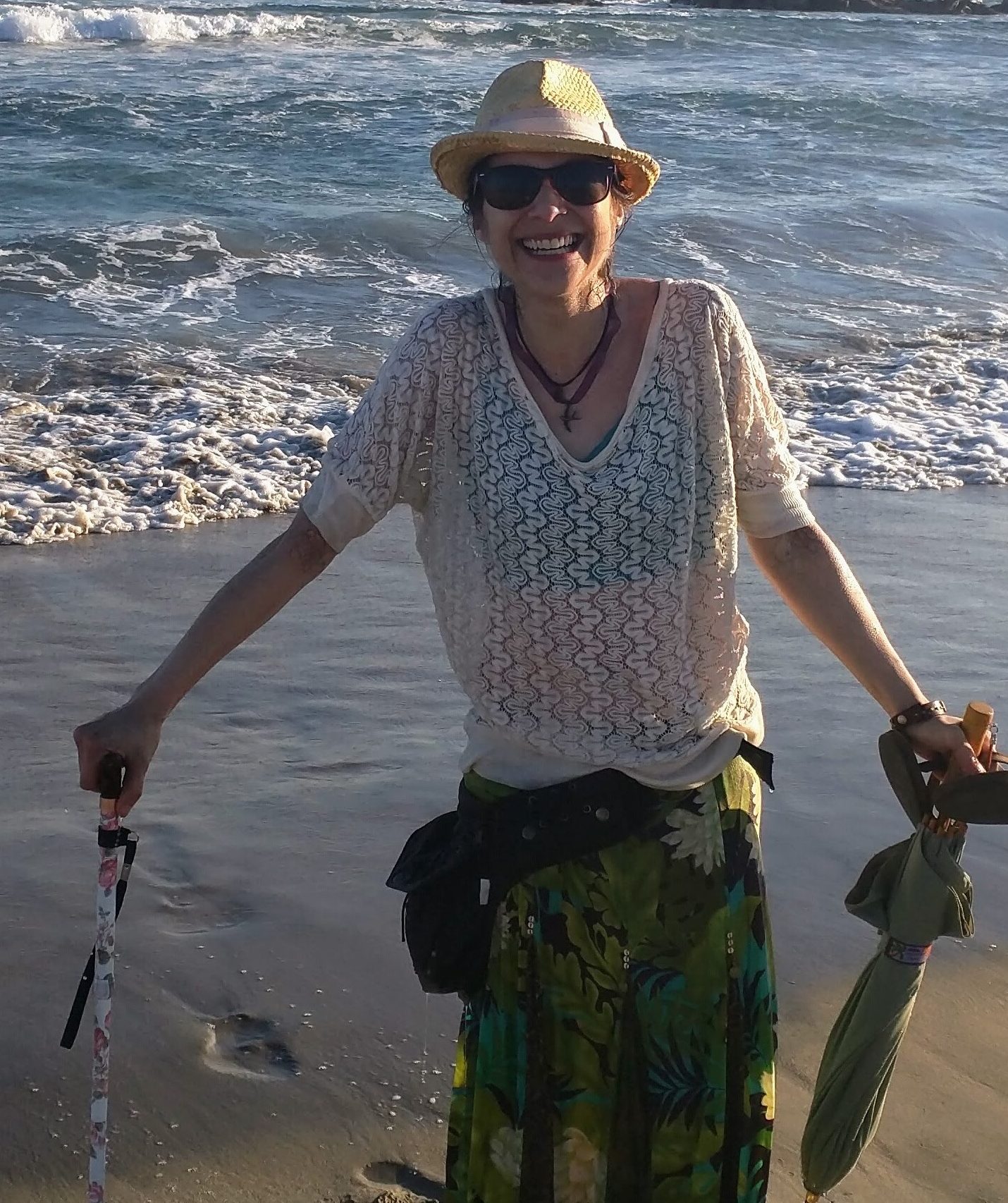





 On Hard Mode
Leave a reply to Breaking News: Resilience is Contagious (According to Science) – On Hard Mode Cancel reply